
How Automated Outreach Works for Pest Control Businesses
Published: July 5, 2026 · 9–10 min read
TL;DR:
- Automated outreach in pest control uses AI to send personalized messages based on customer events, reducing no-shows and increasing leads. It integrates seamlessly with existing software and focuses on key moments like renewals and reviews to boost revenue. Starting with simple triggers and gradually building automation helps maintain a personalized customer experience while improving efficiency.
Automated outreach for pest control is the process of using AI-powered systems to send personalized, timely messages and booking reminders without manual intervention. Understanding how automated outreach works in pest control means recognizing that these systems connect directly to your existing service software and fire off communications based on real customer events, like a completed treatment or an approaching renewal date. The industry term for this practice is "marketing automation," though pest control professionals increasingly call it outreach automation for pest services. Done right, it reduces no-shows, captures more leads during seasonal surges, and keeps your recurring customers enrolled without your office staff lifting a finger.
How do AI-driven automation systems integrate with existing pest control software?
Automation does not replace your core software. It layers on top of it. Modern automation platforms integrate with field service tools like FieldRoutes, ServiceTitan, and Jobber to trigger multi-channel communication sequences based on service events. When a technician marks a job complete, the system fires a review request. When a contract approaches its renewal date, a reminder sequence starts automatically.

The practical setup is faster than most business owners expect. Setup can take just a few days to start automating routine tasks. You do not need to migrate to a new platform or retrain your team on a different system.
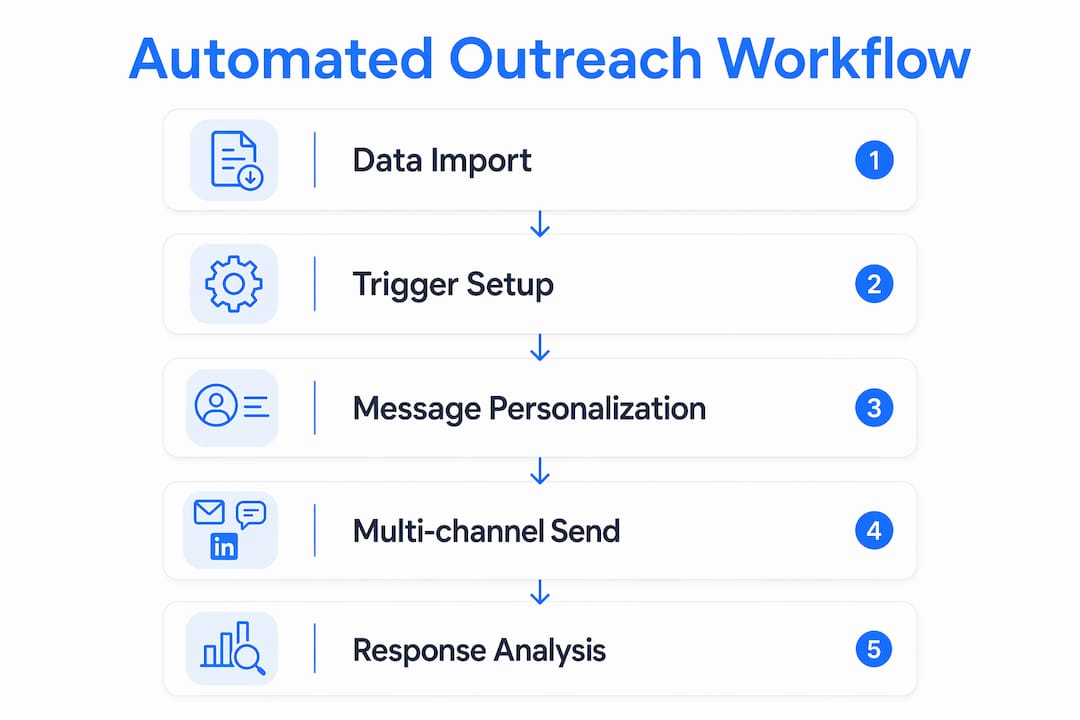
The connection typically happens through middleware tools like Zapier. Automation layers work atop existing CRM and field service software via these connectors, avoiding disruptive core system replacements. Your team keeps working in the software they know. The automation runs quietly in the background.
Key trigger events that launch automated sequences include:
- Service completion (fires review requests and upsell offers)
- Approaching renewal dates (fires reminder sequences at 30, 14, and 7 days)
- New inbound lead (fires instant response and booking confirmation)
- Missed appointment (fires no-show recovery messages)
- Lapsed customer (fires re-engagement sequence after a set period of inactivity)
Pro Tip: Start with one trigger, like post-service review requests, before building out a full sequence library. A single working automation builds team confidence and shows measurable results fast.
What are the main automated outreach workflows pest control businesses use?
The most effective automated pest control strategy targets the moments where revenue leaks most often: missed renewals, ignored quotes, and no-shows. Each workflow below addresses one of those gaps.
-
Renewal reminders. A three-touch sequence fires at 30, 14, and 7 days before a service contract expires. Renewal reminder sequences triggered at these intervals reduce manual effort and improve booking rates. Customers who might have forgotten simply re-book without your office making a single call.
-
Quote and estimate follow-ups. When a prospect receives a quote and does not respond within 24 hours, an automated message checks in. Silence reads as permission to wait. Automation removes that assumption and keeps the conversation moving.
-
Appointment confirmations and no-show reminders. A confirmation goes out the day before service. A reminder fires two hours before the technician arrives. These two touchpoints alone cut the cost of wasted drive time significantly.
-
Post-service review requests. Automated review requests sent 2–3 hours after job completion generate 3–5 times more reviews than manual requests. That timing matters because the customer's satisfaction is at its peak right after a successful treatment.
-
Re-engagement for lapsed customers. Any customer who has not booked in 90 or more days enters a win-back sequence. The message acknowledges the gap and offers a clear reason to return, like a seasonal pest alert relevant to their area.
Pro Tip: Personalize each message with the customer's first name and the specific service they received. Generic messages get ignored. Specific messages get responses.
How does AI improve the effectiveness of outreach through dynamic adaptation?
Not all automation is equal. The difference between AI-assisted and AI-driven automation is significant. AI-assisted systems require humans to set rules and triggers manually. AI-driven systems independently learn and optimize outreach timing and channels without human triggers. That distinction determines how much your outreach improves over time.
An AI-driven system watches how each customer responds. If a customer always opens SMS but ignores email, the system shifts future messages to SMS. Adapting outreach based on customer response history and channel preferences dramatically increases engagement compared to static follow-ups. This is the core advantage of AI-driven automation over basic rule-based tools.
Dynamic segmentation takes this further. The system groups customers by engagement level, account value, and service history. High-value commercial accounts get escalated to a human rep if they do not respond after two automated touches. Residential customers on recurring plans get a different sequence than one-time service buyers.
Key capabilities of AI-driven outreach systems include:
- Adaptive channel selection: Automatically shifts between SMS, email, and voice based on what each customer responds to
- Dynamic timing: Sends messages at the time of day each customer is most likely to engage
- Automated escalation: Routes unresponsive high-value accounts to a staff member for personal follow-up
- Private feedback filters: Flags unhappy customers for manager intervention before a negative review goes public
"Automation is best viewed as a tool to extend a pest control company's personal brand voice, building trust rather than replacing human interaction." — Service management expert perspective
The private feedback filter deserves special attention. When a customer responds negatively to a post-service message, the system routes that response directly to a manager. The customer never gets pushed to a public review platform. The manager gets a chance to resolve the issue privately. This approach protects your reputation while giving you real data on service quality.
What practical benefits do automated outreach systems deliver?
The operational and financial case for outreach automation for pest services is well documented. AI-driven automation reduces pest control customer no-show rates by 60–70% and captures 35–50% more inbound leads during seasonal surges by eliminating hold times and voicemails. Those two numbers alone represent a significant revenue recovery for most businesses.
Recurring plan enrollment is where the long-term revenue lives. Recurring plan enrollment rates can double through automated conversion sequences. A customer who books a one-time treatment and then receives a well-timed follow-up about a quarterly plan is far more likely to enroll than one who hears nothing after the first visit.
| Benefit | Impact |
|---|---|
| No-show reduction | 60–70% fewer missed appointments |
| Inbound lead capture | 35–50% more leads captured during peak seasons |
| Review generation | 3–5x more reviews from automated post-service requests |
| Recurring plan enrollment | Up to 2x increase through automated conversion sequences |
| Staff time savings | Routine communications handled without manual effort |
Office staff spend less time on follow-up calls and more time on work that requires human judgment. Automated communications also create a consistent, audit-ready record of every customer touchpoint. That consistency matters for compliance and for resolving disputes about what was communicated and when.
The customer experience improves too. Timely, relevant messages make your business feel attentive and professional. Customers who feel well-informed before and after a service appointment are more likely to stay on recurring plans and refer neighbors.
Key Takeaways
Automated outreach in pest control works by layering AI-driven communication systems onto existing field service software to trigger timely, personalized messages that reduce no-shows, increase renewals, and capture more leads without adding staff.
| Point | Details |
|---|---|
| Integration is non-disruptive | Automation layers onto FieldRoutes, ServiceTitan, or Jobber via tools like Zapier without replacing core systems. |
| Trigger-based workflows drive revenue | Renewal reminders, quote follow-ups, and no-show recovery sequences address the most common revenue leaks. |
| AI-driven systems outperform static rules | Adaptive channel selection and dynamic timing improve response rates far beyond one-size-fits-all messaging. |
| No-show and lead capture gains are measurable | Businesses report 60–70% fewer no-shows and 35–50% more leads captured during peak seasons. |
| Private feedback filters protect reputation | Negative responses route to managers before reaching public review platforms, enabling fast service recovery. |
What I've learned from watching pest control businesses adopt automation
The businesses that get the most from automated outreach are not the ones with the most sophisticated tech stacks. They are the ones that treat automation as an extension of how they already communicate, not a replacement for it.
The most common mistake I see is deploying generic message templates across every customer segment. A commercial property manager and a residential homeowner need completely different tones, timing, and offers. When you send the same renewal reminder to both, you get the same mediocre response rate from both.
The second mistake is trying to automate everything at once. Gradual implementation works better. Start with post-service review requests because the ROI is immediate and visible. Then add renewal reminders. Then build out your re-engagement sequences. Each layer you add compounds the value of the ones before it.
Automation does not make your business less personal. A well-written, well-timed automated message that uses the customer's name and references their last service feels more personal than a rushed call from an overloaded office. The goal is consistency at scale. Your best customers already trust you. Automation makes sure every customer gets the same quality of follow-up that your best customers receive.
— Tyler
How Interval-ai helps pest control businesses put outreach on autopilot
Pest control business owners who want to act on what they have read here have a direct path forward with Interval-ai.
Interval-ai functions as an automation layer that connects to your existing field service software and manages multi-channel outreach across SMS, email, and voice. The platform handles lead capture, appointment confirmations, renewal reminders, and post-service follow-ups without adding headcount. Interval-ai's AI-driven approach adapts messaging based on customer behavior, so your outreach gets more effective over time, not less. Clients report recovering substantial revenue and cutting payroll costs by removing manual communication tasks from their office workflow. Visit Interval-ai to schedule a demo and see how the platform fits your current setup.
FAQ
How does automated outreach work in pest control?
Automated outreach uses AI-driven software to send timely, personalized messages via SMS, email, or voice based on customer events like service completion or approaching renewal dates. The system connects to your existing field service platform and runs without manual input from your team.
What software platforms does pest control automation integrate with?
Automation platforms integrate with tools like FieldRoutes, ServiceTitan, and Jobber through connectors like Zapier, typically going live within a few days without disrupting current workflows.
How much can automated outreach reduce no-shows?
AI-driven outreach reduces no-show rates by 60–70% through appointment confirmations and pre-arrival reminders sent automatically before each scheduled visit.
Will automated messages feel impersonal to my customers?
Automated messages personalized with the customer's name, service type, and timing feel more attentive than a generic call. Automation extends your brand voice by delivering consistent, relevant communication at every touchpoint.
How do I start automating pest control outreach without overhauling my systems?
Begin with one trigger-based workflow, such as post-service review requests, and layer additional sequences over time. Most pest control businesses do not need to replace their core software to gain full automation benefits.
